Ordering for yourself is easy. Ordering for a group is where things start getting confusing.
Someone wants chicken, someone only eats vegetarian, one person says they are “fine with anything” but usually are not, and then there is always the question of how much food is actually enough. Too little feels awkward. Too much feels like a waste.
With Indian food, this confusion shows up even more because the menu has variety, and if you are not used to it, everything starts sounding similar after a point.
Still, group ordering does not have to feel like guesswork. It just needs a bit of structure.
One of the most common mistakes is ordering randomly.
People pick a few items that sound good and hope it works out. Sometimes it does, but most of the time the meal feels unbalanced. Either there is too much of one thing or not enough variety.
A better way is to think in parts.
For a group, you usually need:
Once you look at it this way, the order becomes clearer. You are not just picking dishes, you are building a meal that works together.
This is where many people over-order.
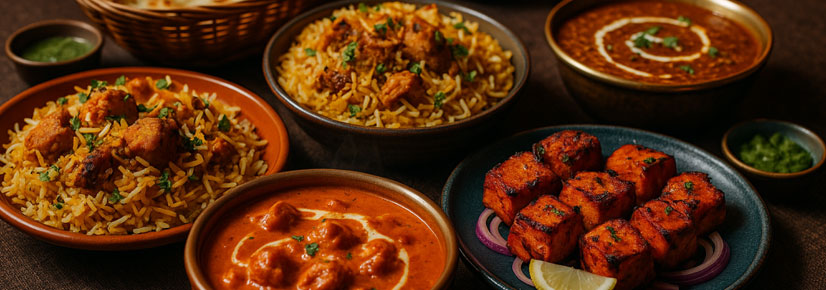
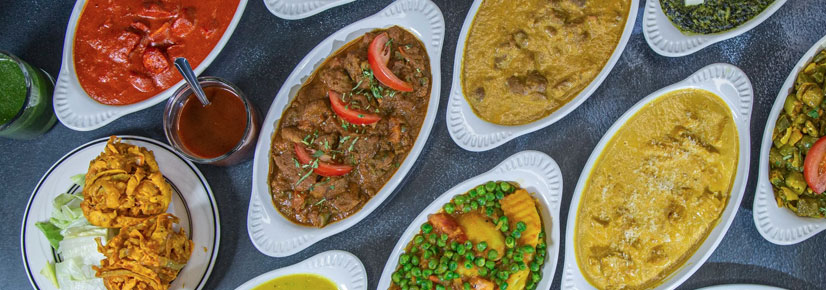
Indian food is meant to be shared. One curry is not for one person. It is for the table.
For a small group of four or five people, three main dishes are usually enough when combined with rice and bread. Adding more without planning often leads to leftovers that no one really touches again.
It is better to have a balanced spread than a long list of dishes.
Even in groups where most people eat meat, vegetarian dishes tend to get finished first. That surprises people.
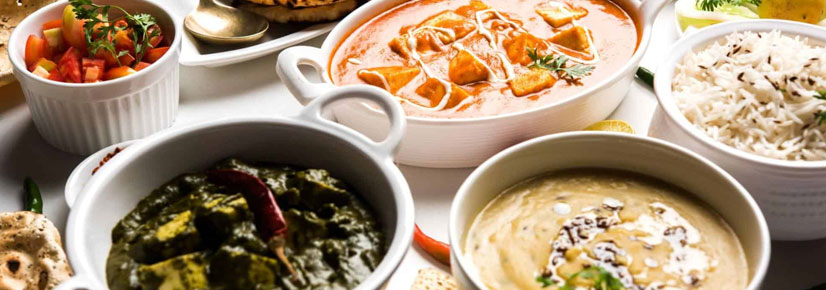
Dishes made with paneer, lentils, or vegetables are often rich, comforting, and easy to pair with everything else. They do not feel like “extra” options. They feel like part of the main meal.
So instead of treating vegetarian dishes as an afterthought, include at least one or two properly. It actually improves the overall experience for everyone.
It is easy to order too many rich curries.
Butter-based gravies, creamy sauces, and thick dishes all sound good individually, but when everything on the table feels the same, the meal becomes tiring halfway through.
Mixing things helps.
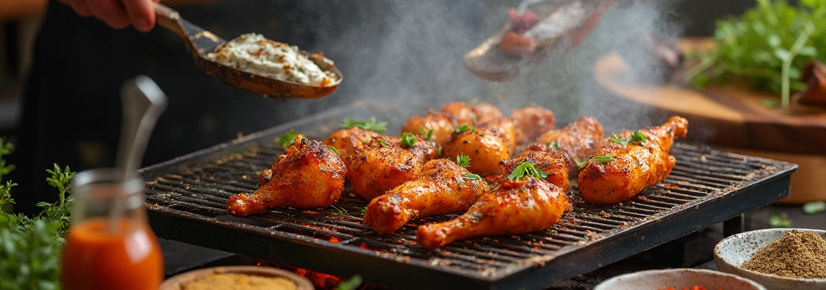
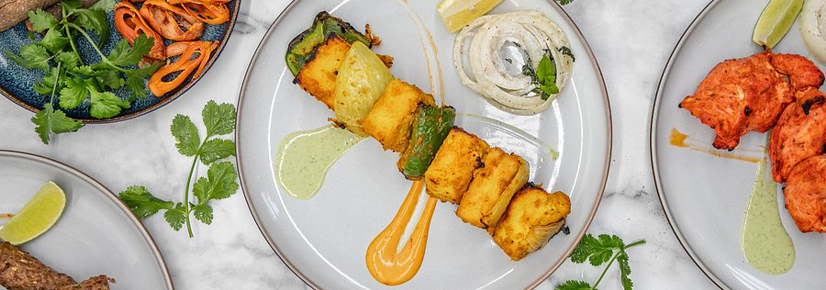
If you are ordering a rich curry like butter chicken, add something lighter alongside it. A grilled dish or a simpler preparation balances the meal without making it feel repetitive.
People may not notice this immediately, but they feel the difference while eating.
Another common mistake is under-ordering bread and rice.
People focus so much on curries that they forget these are what actually complete the meal. Without enough naan or rice, even good dishes feel incomplete.
For a group, it is always safer to order slightly more bread than you think you need. It disappears quickly, especially when the food is shared.
Rice works the same way. One or two portions for the table usually go faster than expected.
In a group setting, not everyone has the same tolerance for spice.
Ordering everything at a high spice level rarely works. Someone will find it too much, and then that dish is left aside.
A safer approach is to keep most dishes at a medium or mild level. If someone prefers more heat, it can always be adjusted separately or added later.
This way, everyone at the table can enjoy the meal comfortably.
Most of the confusion in group ordering comes from not knowing how dishes will work together.
Menus list items, but they do not always tell you how to combine them.
This is where speaking directly to the restaurant helps more than people expect.
If you are ordering from Tandoor Grill, for example, you can simply mention how many people you are ordering for and what kind of preferences the group has. The team can guide you on portions, combinations, and spice levels in a way that makes sense for your table.
It saves time, and it usually leads to a better meal.
If you want to keep it straightforward, here is a practical approach for a group of four to five:
That is usually enough to create a balanced meal without overthinking it.
Group orders often feel stressful before they are placed.
But once the food arrives and everything works together, it feels simple. People share, try different dishes, and the meal becomes more relaxed instead of complicated. That is really the point.
A quick call or even a short conversation with the team at Tandoor Grill can make the entire process easier, especially when you are ordering for more than just yourself.
It is a small step, but it usually makes a noticeable difference once the food is on the table.